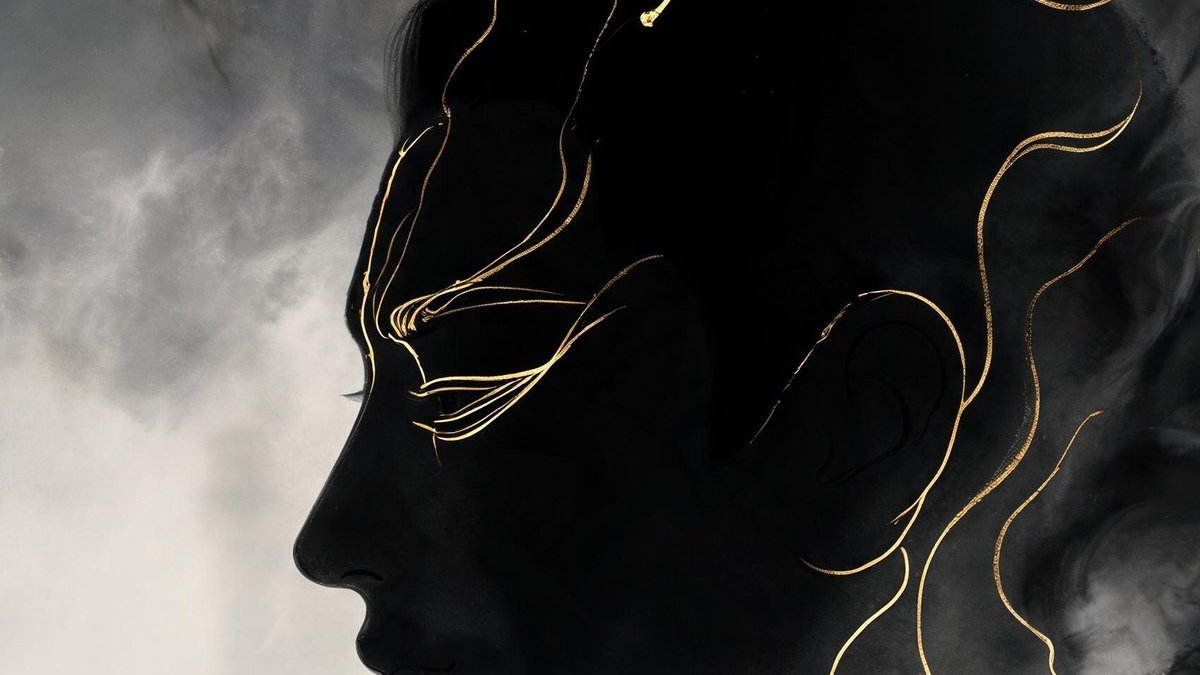
Mian Xiang — Chinese physiognomy or face reading — is not palm reading for the face. It is a formal diagnostic system with roots stretching back to the Warring States period, codified by scholars like Xu Fu and later expanded in texts like the Shen Xiang Quan Bian (Complete Guide to Spirit Physiognomy). When a Mian Xiang master looks at your ears, they are not admiring your earlobes. They are reading the first seven years of your life. When they study your eyebrows, they are assessing your temperament, your social skills, and your relationship with authority. Every feature maps to a specific age range, organ system, and life domain.
This guide focuses on two features most people overlook: ears and eyebrows. Palm lines get all the attention. But in the Mian Xiang hierarchy, the ears come first — they govern childhood, inherited fortune, and longevity. The eyebrows govern career path and emotional temperament. Together, they tell a story that no palm line can match.
In Mian Xiang, the ears correspond to ages 1 through 14. They reveal the quality of your early environment and the foundation your life was built on. Three factors matter: position, size, and lobe shape.
High-set ears (top of the ear above the eyebrow line). This placement signals inherited intelligence and strong early education. People with high ears tend to process information quickly and trust their own thinking. The downside is a tendency toward intellectual arrogance — they can dismiss advice too easily. Historically, Mian Xiang masters considered this the ear position of scholars and strategists. Zhuge Liang, the famed Three Kingdoms military advisor, was said to have ears set dramatically high.
Low-set ears (top of the ear below the eyebrow line). This indicates a childhood with more struggle and less structure. But it also builds resilience. Low-ear people are practical, patient, and good at reading social situations. They learn slowly but remember forever. The late bloomer pattern is strong here — financial and career success often arrives in the 40s rather than the 20s.
Large, thick ears. Zhou Gong's texts associate large ears with longevity and material comfort. A thick outer rim (helix) specifically signals a person who recovers well from hardship. The science is actually not far off: ear cartilage thickens with good nutrition in childhood, so large well-formed ears often correlate with a healthy upbringing. People with this ear type tend to accumulate wealth gradually rather than through sudden windfalls.
Small, thin ears. This does not mean bad luck. It means sensitivity. Small-eared people are easily affected by their environment — noisy workplaces drain them, toxic relationships hit them harder. The Mian Xiang recommendation is straightforward: these people need quieter lives and calmer surroundings to thrive. Their intuition is often sharper than large-eared people because they pick up on subtler signals.
Long, detached earlobes. This is the Buddha ear — the single most famous Mian Xiang feature. Long lobes that hang free from the jaw signal compassion, wisdom, and spiritual depth. In traditional Chinese art, every depiction of the Buddha shows dramatically elongated earlobes. For ordinary people, this feature means someone who earns respect naturally, without demanding it. They often end up in mentoring or teaching roles regardless of their initial career path.
Did you know? The word for "ear" in Chinese is "er" (耳), which is a homophone for the word "er" (尔) meaning "you" — and also closely related to the word for "son" or "child." Ancient Chinese texts from the Han Dynasty explicitly connect ear shape to the fate of one's descendants. A person with well-formed ears was believed to have strong ancestral blessings flowing forward into their children's lives. This is why ear reading comes first in the Mian Xiang age-mapping system: your ears represent what you were given before you had any say in the matter.
Eyebrows govern ages 31 through 34 in the Mian Xiang age-mapping — the critical early career years. They also reveal how a person handles conflict, relates to authority, and processes emotions. This is not vague personality typing. The shape, thickness, and spacing of your eyebrows produce specific readings that generations of Mian Xiang masters have tested and refined.
Thick, dark, well-defined eyebrows. This is the classic "general's eyebrow." People with strong brows are decisive, energetic, and natural leaders. They work best in high-autonomy roles. The downside is impatience — they can trample over details and people. Many successful entrepreneurs and military officers have this brow type. The Mian Xiang advice: pair yourself with detail-oriented partners who can execute what you envision.
Thin, arched eyebrows. These indicate refinement, artistic sensibility, and a preference for quality over quantity. People with thin arched brows are often drawn to creative fields — design, writing, architecture. However, Mian Xiang masters note a specific career warning: these people should avoid jobs that require constant confrontation. Their natural mode is cooperation, not combat. Putting them in a high-conflict role burns them out fast.
Straight, horizontal eyebrows. Sometimes called "scholar brows," straight eyebrows signal logical thinking and fairness. People with this brow type make good judges, analysts, and engineers. They weigh evidence carefully and resist emotional manipulation. The career peak for straight-browed people usually comes later — mid to late 30s — after they have accumulated enough expertise to match their natural judgment.
Eyebrows that are far apart (wide gap between them). This spacing signals a broad-minded personality — someone who is tolerant, open to new ideas, and slow to anger. But there is a practical downside: these people can be indecisive. They see too many sides of every issue. Mian Xiang recommends that wide-browed people set firm deadlines for their decisions, because their natural instinct is to keep gathering information forever.
Eyebrows that nearly meet in the middle. This is sometimes called "joined eyebrows" and it has a contradictory reputation. On one hand, it signals intense focus and competitive drive — many elite athletes and high-performing executives have this feature. On the other hand, it signals a short temper and difficulty letting go of grudges. The Mian Xiang prescription is awareness: a joined-brow person who learns to channel their intensity into productive work rather than interpersonal conflict can achieve extraordinary things.
The real power of Mian Xiang comes from combining features. Ears tell you what you started with. Eyebrows tell you what you do with it. Here are three common combinations:
High ears + thick eyebrows. You had a strong foundation and you have the drive to build on it. This is the combination of someone who was expected to succeed — and does. The danger is coasting. Because things come relatively easily, these people sometimes lack the grit that setbacks build. The Mian Xiang advice: seek challenges that are actually hard for you. Do not stay in your comfort zone just because it is comfortable.
Low ears + thin eyebrows. You started with less support and you process the world sensitively. This can look like a disadvantage, but Mian Xiang sees it differently: these people develop depth that more privileged profiles never need to build. Many artists, therapists, and writers have this combination. The career peaks later but the work is richer when it arrives.
Large ears + joined eyebrows. You have natural resilience (the ears) paired with intense drive (the brows). This is a high-output profile — people who can work long hours, recover from failure, and keep pushing. The Mian Xiang warning is about burnout. These people need enforced rest, because their internal signals to stop are weaker than their drive to continue.
Mian Xiang is not fortune-telling. It is a diagnostic framework. Your ear shape does not doom you to a specific fate — it describes your starting conditions so you can make smarter choices. Your eyebrow shape does not predict your career — it reveals your natural tendencies so you can play to your strengths and compensate for your weaknesses.
The most powerful use of Mian Xiang is not reading your own face. It is reading the faces of the people you work with, hire, and marry. Understanding that someone with wide-set eyebrows needs deadlines, or that someone with high ears dismisses advice they should hear, makes you a better leader, partner, and friend. The ancient Chinese masters knew this. They did not build Mian Xiang for entertainment. They built it as a practical tool for navigating human relationships — and 2,500 years later, it still works.
Get a free reading from five legendary Chinese masters — Ziwei, Bazi, Qimen, and more. No sign-up required.
Get Your Free Reading Now