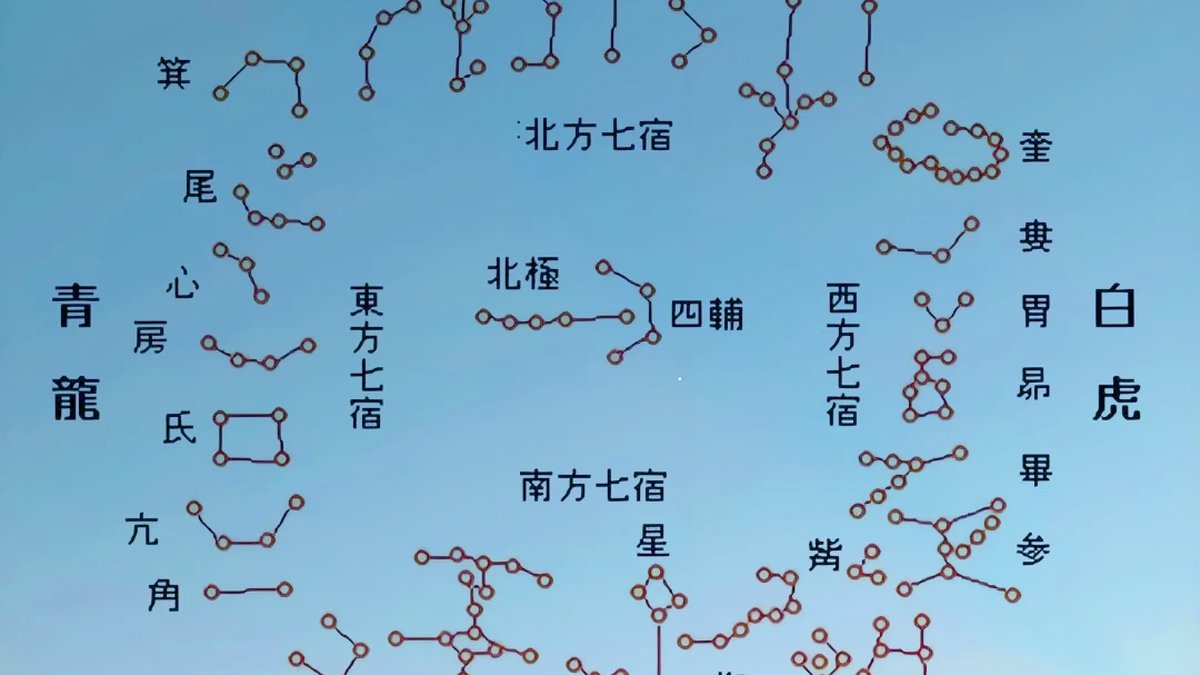
二十八宿:中国人自己的星座图——比西方早了两千多年
你肯定知道西方的十二星座。但你知道不——中国人早在两千五百年前就把天空分成了二十八个天区,叫二十八宿(Ershiba Xiu)。这套系统把天赤道切成二十八段,每段锚一颗主星。月亮一个晚上走过一个宿——所以叫"宿"。
四大天宫——四个神兽管四方
二十八个宿分四组,每组一个神兽坐镇、一个季节对应、一个方向把守:
东方青龙——春
七宿管"开始、生长、创业":
- 角——龙角。领头魄力。
- 亢——龙脖。力量和持久。
- 氐——龙根。基础与稳定。
- 房——龙腹。家和家人。
- 心——龙心。情感炽热。
- 尾——龙尾。完成和传承。
- 箕——簸箕。收获和判断。
北方玄武——冬
七宿管"收尾、休息、内功":
- 斗——斗。一把尺子,标准。
- 牛——牛。牺牲和奉献。
- 女——女。关系和合作。
- 虚——虚。空,但最有潜力。
- 危——屋顶。警惕、危险感。
- 室——营地。安全感、庇护。
- 壁——墙壁。边界和保护。
西方白虎——秋
七宿管"收获、裁断、转变":
- 奎——腿。移动、出行。
- 娄——绑。忠诚、牵绊。
- 胃——胃。滋养、资源。
- 昴——毛头。群聚、社区。
- 毕——网。捕获、组织。
- 觜——龟嘴。精准、细节。
- 参——三星。和谐与平衡。
南方朱雀——夏
七宿管"巅峰、曝光、表达":
- 井——水井。深度和资源。
- 鬼——鬼。精神和不可见。
- 柳——柳树。柔韧、优雅。
- 星——星。名声和认可。
- 张——张开网。扩张和伸展。
- 翼——翅膀。飞翔和野心。
- 轸——战车。前进、进程。
你的出生星宿怎么影响你
传统中国占星里,你出生那天月亮落在哪个宿,就给你打上一个烙印。每个宿带一种五行能量和一个动物属性。比如角宿的人——木元素、龙的能量——天然有领导气质和创造冲动。
跟紫微斗数的星盘、八字的四柱结合起来,二十八宿再给中国命理分析加上一层天空的精度。说实话,这套系统深得很,但入门不难——先找到你出生那天的月亮在哪个宿,你就有了一个开头。
看看星星怎么排给你。我们的AI引擎能把你紫微星盘、八字四柱、奇门策略、二十八宿影响全算出来。 来,免费排一个 →