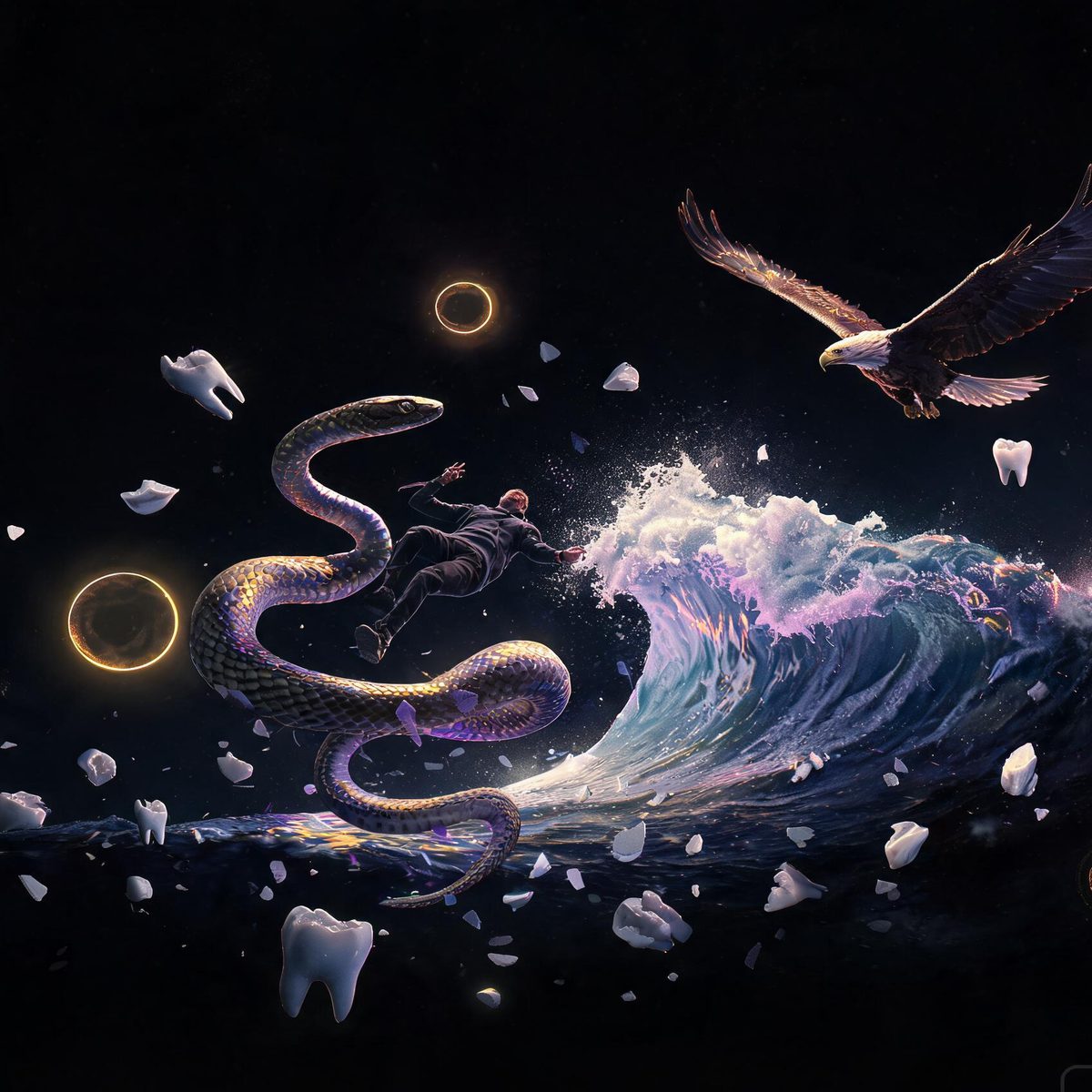
Top 10 Most Common Dreams — and What Zhou Gong Says About Them
Certain dreams appear across cultures, genders, and generations with remarkable consistency. These universal dream themes have been cataloged by both modern psychology and ancient Chinese wisdom. Here are the ten most common dreams, interpreted through the lens of Zhou Gong's dream dictionary.
1. Falling
You're plummeting through darkness, stomach lurching, until you jolt awake. In Zhou Gong's framework, falling signals loss of control or status. It may reflect workplace insecurity, relationship instability, or fear of failure. If you land safely, the omen shifts — you will recover from a current setback. If you never hit the ground, the uncertainty continues.
2. Being Chased
Something — or someone — pursues you relentlessly. Zhou Gong reads this as avoidance of truth. What are you running from in your waking life? A difficult conversation? A financial reality? A decision you have postponed? Identify the pursuer and you will find your answer.
3. Teeth Falling Out
One of the most disturbing common dreams. In the Zhou Gong tradition, teeth represent family elders and your own vitality. Losing teeth may signal anxiety about aging parents, concern about your own health and appearance, or fear of losing influence in social situations. If the teeth crumble like powder, financial worries are indicated.
4. Flying
Soaring above landscapes, weightless and free. Zhou Gong considers this highly auspicious — it signals liberation from constraints and spiritual elevation. If you fly effortlessly, a breakthrough is near. If you struggle to stay aloft, you are fighting against limitations that will soon dissolve.
5. Water — Floods, Tsunamis, or Drowning
Water in dreams represents emotion and the subconscious. A gentle stream suggests emotional clarity; a flood warns of overwhelm; drowning indicates you are consumed by feelings you cannot process. Zhou Gong pays special attention to water clarity — clear water brings good fortune; murky water warns of deception.
6. Snakes
Perhaps the most symbolically complex dream animal. In Zhou Gong's dictionary, snakes carry dual meaning: they can represent hidden wisdom and transformation (shedding skin = renewal), or concealed threats and betrayal. A snake that bites you warns of an enemy in your circle. A snake that simply appears and watches may indicate a spiritual guide.
7. Death or Dying
Dreaming of death — your own or another's — is rarely literal in Zhou Gong's tradition. Instead, it signals endings and new beginnings. Dreaming of your own death may portend a major life transition or personal rebirth. Dreaming of another's death suggests your relationship with that person is changing. In Chinese culture, such dreams are often read as adding years to the dreamer's life — a benevolent inversion.
8. Pregnancy or Birth
Even for those who are not expecting, pregnancy dreams carry powerful meaning. Zhou Gong interprets them as the birth of a new project, idea, or phase of life. Something is gestating within you — a creative work, a career change, or a personal transformation. The dream signals readiness for this new arrival.
9. Exams or Being Unprepared
You're back in school, facing an exam you never studied for — or standing before a crowd with nothing to say. Zhou Gong reads this classic anxiety dream as a reflection of self-evaluation and fear of judgment. You are being tested in your waking life — perhaps at work, in a relationship, or by your own standards. The dream urges preparation and self-trust.
10. Lost or Trapped
Wandering through a maze, unable to find an exit. Zhou Gong sees this as a search for direction. You feel stuck in a situation and cannot see the way forward. The dream may repeat until you acknowledge the impasse and begin seeking a path — literally or metaphorically.
Your dreams are personal. While these universal themes provide a starting point, the most accurate interpretation always considers your unique life context and emotional state. Try our AI dream decoder →